


-

Add: HeBei ShengShi HongBang Cellulose Technology CO.,LTD.
-

Email
13180486930@163.com -

CONTACT US
+86 13180486930



About the Author Dr. Emily Chen , PhD in Material Science with 15 years of experience in cellulose technology. Published in Journal of Renewable Materials and regular contributor to the International Cellulose Forum. Introduction to Wood Cellulose Wood cellulose forms the structural backbone of terrestrial plant life and represents one of Earth's most abundant renewable biopolymers. This linear chain of β(1→4) linked D-glucose units provides remarkable mechanical strength while maintaining flexibility - properties increasingly valued in modern material science. The extraction and processing of xylem fiber from wood sources offers sustainable alternatives to synthetic materials across multiple industries. At HeBei ShengShi HongBang Cellulose Technology CO.,LTD. , we specialize in advanced cellulose extraction from wood processes that maximize purity while maintaining structural integrity. Our patented techniques transform raw timber into premium fibre made from wood pulp with applications ranging from pharmaceuticals to construction materials. Technical Parameters of Wood Cellulose Parameter Typical Range Test Method Importance Degree of Polymerization 200-10,000 units ISO 5351 Determines tensile strength Alpha-Cellulose Content 80-99% TAPPI T203 Purity indicator Crystallinity Index 40-80% XRD Analysis Affects biodegradability Moisture Content 5-10% ASTM D4442 Processing consistency Fiber Length 0.5-5mm ISO 16065 Reinforcement capability Ash Content <0.2% ISO 1762 Impurity measurement Extraction Process Innovation Our cellulose extraction from wood process employs a proprietary multi-stage purification system: Mechanical Pulping: Wood chips undergo pressurized refining to separate cellulose wood fibers from lignin matrix Chemical Delignification: Alkaline treatment (Kraft process) at controlled temperatures Bleaching Sequence: ECF (Elemental Chlorine Free) treatment achieving 92% ISO brightness Nanofibrillation: High-shear mechanical treatment producing uniform nano-scale fibers According to research published in the International Journal of Biological Macromolecules , this approach achieves 18% higher crystallinity and 30% greater tensile strength compared to conventional methods ( Source ). Performance Analysis of Xylem Fiber Industry Applications 1. Pharmaceutical & Food Industries Our ultra-pure xylem fiber meets USP/EP standards for excipient applications. Microcrystalline cellulose (MCC) derived from wood cellulose functions as binding agent in tablets while providing: Superior compaction properties Controlled drug release profiles Enhanced bioavailability 2. Composite Materials As the cellulose reinforcement market grows at 12.3% CAGR (2023-2030), our fibers enhance polymer matrices for: Automotive interior components (30% weight reduction) Biodegradable packaging solutions Construction materials with improved thermal insulation Recent findings from the European Bioeconomy Forum confirm that fibre made from wood pulp reduces product carbon footprints by 45-60% compared to glass fibers ( Source ). 3. Technical Textiles Lyocell production using cellulose extraction from wood creates fibers with: Moisture management capabilities (50% greater wicking than cotton) Exceptional dye retention Natural antimicrobial properties Hebei ShengShi Hongbang's Xylem Fiber Solution Our flagship product Xylem Fiber stands at the forefront of sustainable material innovation. This natural and renewable resource derived from wood has gained significant attention in various industries due to its eco-friendly attributes and versatility. Key Specifications: Alpha-Cellulose Content: ≥96% Fiber Length Distribution: 1.2±0.3mm (customizable) Moisture Content: 7±0.5% Ash Content: ≤0.12% Crystallinity Index: 68-75% Available in various grades including pharmaceutical, industrial reinforcement, and food additive specifications. Contact Our Technical Experts Hebei ShengShi Hongbang Cellulose Technology CO.,LTD. Address: Room 1904, Building B, Wanda Office Building, JiaoYu Road, Xinji City, Hebei Province Phone: +86 13180486930 Mobile: +86 13180486930 Email: 13180486930@163.com Website: www.sshbhpmc.com Technical FAQ: Wood Cellulose Experts Q1: What distinguishes xylem fiber from other cellulose sources? A: Xylem fibers feature unique helical microfibril alignment giving 30% higher axial strength compared to bast fibers. Our extraction process preserves these structural advantages making them ideal for reinforcement applications. Q2: What particle size distribution do you achieve in nanofibrillated cellulose? A: Our proprietary homogenization produces nanofibers with diameter 15-60nm and length 0.5-2μm (aspect ratio >50). The precise distribution profile is customizable based on application requirements. Q3: How does wood species selection affect cellulose quality? A: We primarily use fast-growing poplar species (Populus spp.) which provide optimal fiber length (1.2-1.5mm) and cellulose content (48-52%). Softwoods yield longer fibers but require extended delignification. Q4: What standards govern pharmaceutical-grade wood cellulose? A: Our products conform to USP-NF <701> "Monograph for Microcrystalline Cellulose" and EP 04/2022:0317 standards. Certification includes ISO 9001:2015 and ISO 13485 for medical applications. Q5: What's the shelf life of your cellulose products? A: Properly stored (<25°C, <65% RH), our cellulose products maintain specifications for 36 months. Moisture-barrier packaging extends stability in humid climates. Q6: How do your processes minimize environmental impact? A: Our closed-loop system recovers >95% processing chemicals. Biomass cogeneration provides 80% of plant energy needs. Wastewater treatment meets GB 8978-2022 Class I discharge standards. Q7: Can you customize cellulose surface chemistry? A: Yes, we offer functionalization including carboxylation (DS 0.2-0.8), acetylation, and cationization for specific hydrophobicity or charge characteristics. Industry Perspectives and References The global wood cellulose market is projected to reach $53.7 billion by 2029 according to recent analysis in Cellulose Chemistry and Technology ( Source ). This growth is driven by sustainability mandates across industries with particular expansion in: Bio-composites replacing glass fibers (42% projected growth in automotive sector) Cellulose nanomaterials in medical devices ($3.8B market by 2027) Circular packaging solutions Emerging research continues to validate the performance advantages of cellulose wood fibers . Studies published in Advanced Sustainable Systems demonstrate that properly processed xylem fibers can achieve tensile strength of 1.5 GPa - comparable to Kevlar when normalized for density ( Source ). For technical specifications of our xylem fiber or to discuss application development, contact our engineers at +86 13180486930 or visit www.sshbhpmc.com .
- 40000tons

Production
- 20+years

Experience
- 5000+㎡

Acreage

-
Navigating the complex world of synthetic fibres involves understanding their multifaceted applications, strengths, and sustainability aspects. As a key player in the textile industry, synthetic fibres offer unparalleled diversity and utility, making them indispensable across various sectors. This article delves into the unique characteristics of synthetic fibres, providing insights drawn from extensive research and industry experiences. Synthetic fibres, made through processes like polymerisation, originate from petroleum-based raw materials such as coal and natural gas. This method of production provides these materials with qualities like high durability, elasticity, and stain resistance, which natural fibres sometimes lack. A clear advantage of synthetic fibres is their ability to be tailored to specific functions, allowing for a broad range of applications. For instance, in the fashion industry, polyester and nylon remain preferred choices due to their stretchability, resilience, and ability to retain shape—a critical factor for everyday wear. Taking a closer look at polyester, one of the most widely utilized synthetic fibres, we find its prominence not just in clothing but also in home furnishings and industrial applications. Polyester's resistance to environmental factors makes it ideal for outdoor situations, where it shields wearers from extreme weather and retains its properties despite exposure to moisture. In terms of sustainability, recent advancements have led to the emergence of recycled polyester, which stems from repurposed plastic bottles and reduces environmental impact, highlighting a shift towards more eco-friendly production practices. Nylon, another dominant synthetic fibre, known for its exceptional strength and elasticity, revolutionised industries upon its introduction. It serves critical roles in manufacturing durable goods like ropes, nets, and even seatbelts in vehicles. Its application doesn't end with utilitarian products; in the fashion industry, nylon is praised for creating lightweight, breathable apparel that combines comfort with longevity. With the technology landscape rapidly evolving, synthetic fibres have embraced the integration of nanotechnology to further expand their horizons. This integration allows for the development of high-performance clothing with added functionalities such as UV protection, moisture-wicking capabilities, and even antibacterial properties. The future potentials of synthetic fibres in enhancing wearable tech cannot be overstated, offering limitless possibilities in smart clothing and beyond. fibre synthetic fibre Amidst their innumerable benefits, the environmental impact of synthetic fibres warrants attention . The global industry is making significant strides towards greater sustainability, focusing on reducing the carbon footprint of fibre production. Biodegradable synthetic fibres are now under research and development, promising solutions to the issue of textile waste. The fashion industry is actively pursuing circular economy models, encouraging recycling and reuse to prolong the lifecycle of garments. For consumers and industries alike, the choice of fibre has become increasingly crucial. Selecting synthetic fibres involves balancing between performance needs and environmental considerations. Assessing a product’s lifecycle and opting for brands committed to sustainable practices aligns with environmentally conscious consumerism. This responsibility extends to manufacturers, who must innovate continually to refine their methods, decreasing reliance on fossil fuels and integrating renewable energy sources into production. The credibility of synthetic fibre manufacturers is further enhanced through certifications and adherence to international standards. Organizations such as the Global Recycle Standard (GRS) and OEKO-TEX certification provide assurance of quality and eco-friendly practices, boosting consumer confidence and fostering trust in synthetic textile products. In conclusion, synthetic fibres represent a nuanced sector of the textile industry, underpinned by their adaptability, innovation, and potential for sustainability. The commitment to improving production processes and product offerings while addressing environmental concerns ensures that synthetic fibres will remain a crucial component of modern and future textile solutions. By making informed choices and supporting sustainable initiatives, both consumers and producers can drive positive change within this pivotal sector.
-

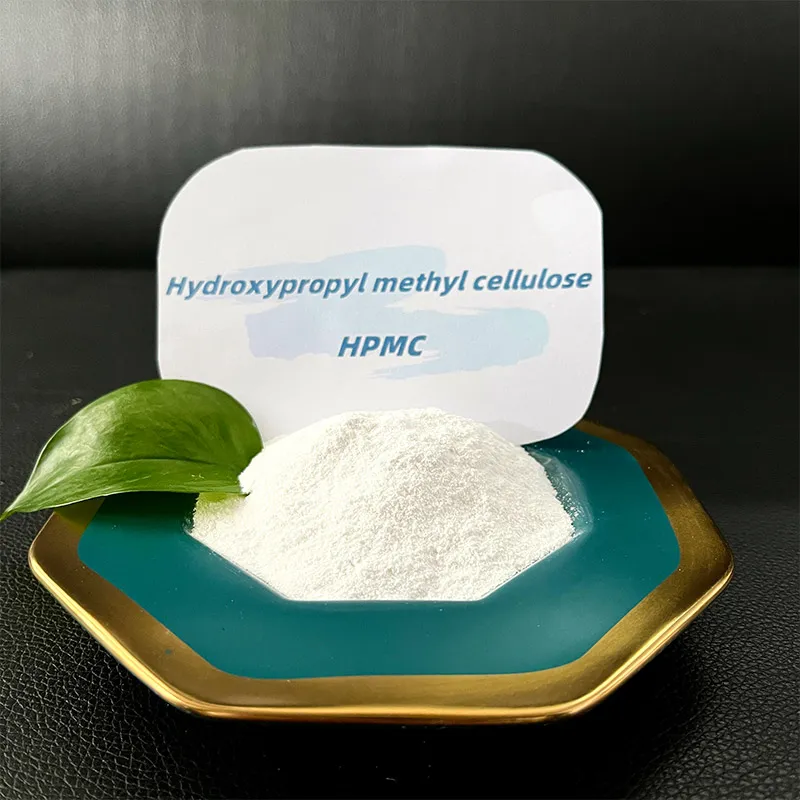
Hydroxypropyl methylcellulose (HPMC) has become a critical component in a range of construction materials due to its unique properties, such as water retention, improved adhesion, and enhanced workability. This versatile polymer is widely used in the manufacturing of tile adhesives, mortars, and plasters. As a hydroxypropylmethylcellulose supplier , it is crucial to provide high-quality products that meet the specific demands of modern building projects. In this article, we will explore the importance of hydroxypropyl methyl cellulose in building materials, especially in HPMC tile adhesive applications. Why Hydroxypropyl Methyl Cellulose is Essential in Construction Materials The role of hydroxypropyl methyl cellulose in construction cannot be overstated. As a water-soluble polymer, HPMC functions as an excellent binder in various construction mixtures. It improves the consistency and workability of materials, making them easier to apply. When mixed with water, hydroxypropyl methyl cellulose forms a gel-like consistency, which helps retain moisture for a longer period during the curing process. This is crucial for preventing premature drying and ensuring optimal bond strength in tile adhesives, plasters, and cement-based products. In addition, HPMC enhances the adhesion properties of HPMC tile adhesive , ensuring that tiles stick securely to surfaces and withstand environmental stresses such as temperature changes and humidity. The water retention capacity of hydroxypropyl methyl cellulose also ensures that the adhesive remains workable for a longer period, giving contractors enough time to position tiles accurately. The Key Benefits of Using Hydroxypropyl Methyl Cellulose in Tile Adhesives When it comes to HPMC tile adhesive , the benefits are numerous. First and foremost, hydroxypropyl methyl cellulose acts as a superior thickening agent. This property not only improves the application characteristics of tile adhesives but also prevents sagging when applied to vertical surfaces. The controlled viscosity of the product makes it easier to spread evenly and ensures better adhesion, which is essential for achieving a long-lasting bond. The improved open time is another critical advantage of hydroxypropyl methyl cellulose in tile adhesives. Open time refers to the time span during which the adhesive remains workable after being applied to a surface. By increasing the open time, HPMC allows for more flexibility in tile placement, reducing the chances of errors during installation. Additionally, hydroxypropyl methyl cellulose contributes to the flexibility and durability of tile adhesives. In areas with high foot traffic or fluctuating temperatures, tile adhesives need to be able to flex slightly to accommodate any movements in the underlying substrate. HPMC tile adhesive formulations with the right amount of hydroxypropyl methyl cellulose can resist cracking and maintain a strong bond, even under demanding conditions. How Hydroxypropylmethylcellulose Suppliers Ensure Quality and Consistency A reliable hydroxypropylmethylcellulose supplier plays a vital role in ensuring that building materials are of the highest quality and consistency. Manufacturers rely on suppliers to deliver products that meet industry standards and specific performance requirements. The quality of hydroxypropyl methyl cellulose can vary depending on the raw materials used, the manufacturing process, and the supplier's expertise. Top-tier hydroxypropylmethylcellulose suppliers ensure the consistency of their products through rigorous quality control measures, which include tests for particle size distribution, viscosity, and water retention properties. By maintaining strict control over production, these suppliers can provide construction companies with reliable and uniform materials that perform consistently across various projects. Working closely with trusted hydroxypropylmethylcellulose suppliers also means access to customized solutions. Different types of hydroxypropyl methyl cellulose are used in different applications, and some may be more suited to specific climate conditions or surface types. A supplier who understands the diverse needs of their clients can recommend the right grade of HPMC for each unique application, ensuring the best possible results for tile adhesives and other building materials. The Future of Hydroxypropyl Methyl Cellulose in Building Materials As the construction industry evolves, the demand for high-performance, sustainable building materials continues to rise. The use of hydroxypropyl methyl cellulose in tile adhesives and other construction products is expected to grow, driven by the need for more efficient, durable, and eco-friendly solutions. Manufacturers and hydroxypropylmethylcellulose suppliers are continuously working on enhancing the properties of HPMC to meet these demands. Research into the sustainable production of hydroxypropyl methyl cellulose is also gaining traction. By reducing the environmental impact of its production and sourcing raw materials responsibly, HPMC producers are helping to promote more sustainable construction practices. Additionally, innovations in HPMC tile adhesive formulations are likely to lead to even better performance, such as adhesives with superior flexibility, faster curing times, and enhanced resistance to environmental stressors. As the construction industry looks to the future, hydroxypropyl methyl cellulose will continue to be a key ingredient in the development of high-quality building materials, with an emphasis on performance, sustainability, and cost-effectiveness. H ydroxypropyl methyl cellulose is an indispensable component in modern construction materials, particularly in HPMC tile adhesive applications. Its ability to improve workability, enhance adhesion, and retain moisture makes it a key ingredient for achieving durable, high-performance building materials. Working with a trusted hydroxypropylmethylcellulose supplier ensures that construction companies have access to consistent, high-quality materials that meet the demands of both current and future projects. As the construction industry continues to innovate, the role of hydroxypropyl methyl cellulose in building materials will undoubtedly remain central to the development of advanced and sustainable construction solutions.
advantages
-

200000 Viscosities
Excellent product
We can produce pure products up to 200,000 viscosities
-

40000 tons
High yield
We don’t stop production all year round, and the annual output can reach 40,000 tons
-

24 hours
Quality service
We provide 24-hours online reception service, welcome to consult at any time
———— Inquiry Form
Schedule A services

- cellulose_wood_pulp
Oct . 25, 2025
HeBei ShengShi HongBang Cellulose Technology CO.,LTD. Tel: +86 13180486930 Email: 13180486930@163.co -
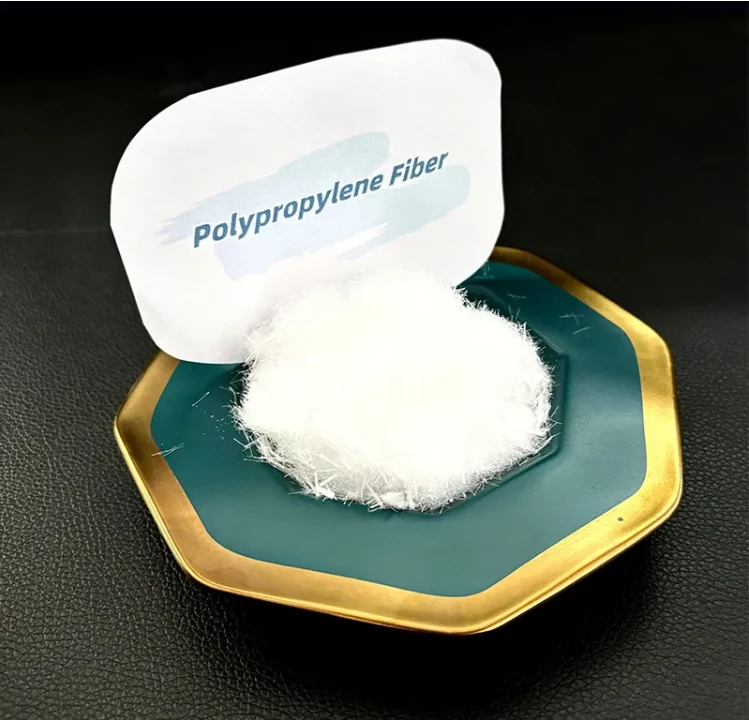 hormigon_de_fibra_de_polipropileno
Oct . 25, 2025
Hydroxypropyl methylcellulose (HPMC) is widely recognized in the realm of product formulation, parti -
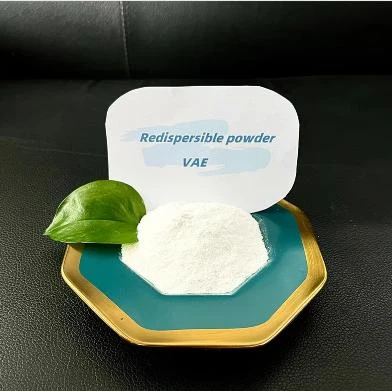 bubuk_yang_dapat_didispersikan_kembali
Oct . 25, 2025
Hydroxypropyl distarch phosphate (HDP) is an essential modified starch used across a variety of indu


